Introduction
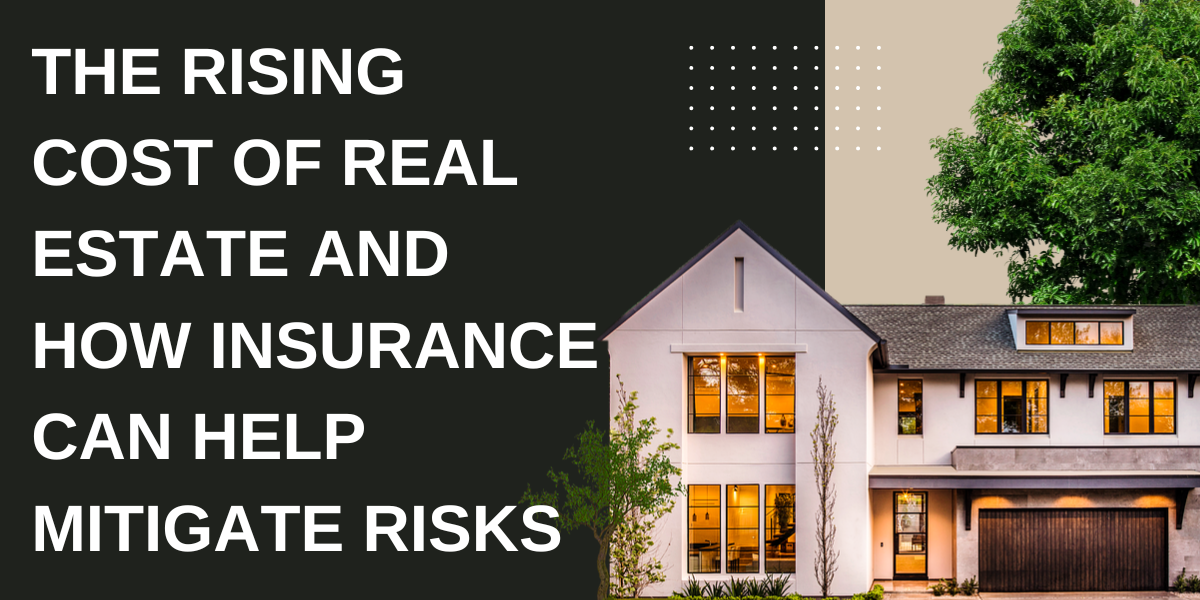
Over the past decade, property prices throughout the globe have increased tremendously, and property ownership is becoming one of the biggest financial burdens individuals will bear in their lifetime. While it can generate wealth, it exposes the owners to great risk. The more the prices are, the greater the benefits, and possible losses in the event of something going astray.
It’s for that reason that we must have insurance. Although insurance definitely is a requirement for lenders, good insurance policies are a financial buffer that can alleviate future risk and give one peace of mind. Let’s examine why real estate prices are increasing and how insurance can protect property owners.
The fact that real estate costs are rising is not without explanation; it may be attributed to some combination of the following:
1. Urbanization and Population Growth
Increasing numbers of people are relocating to cities solely for its working space that has led to less available land, houses, and increasing population.
2. Inflation and Construction Costs
Higher labor, material, and permit expenses directly translate to property prices.
3. Low Interest Rates (recent years)
Historically low rates of interest made it easier to borrow, and this made a population more willing to borrow money to purchase properties.
4. Foreign Investment
Foreign buyers have attracted many regions of the world which have led to a rise in prices in the local market.
5. Limited Supply
Zoning regulations and supply issues brought about by covid have slowed down and decreased the number of necessary new construction projects starting, which has contributed to the low housing supply.
Eventually, you will be paying more for a property than ever before, and the threat increased risk individuals incur without adequate insurance is larger than ever.
The Dangers of High-Value Real Estate
At a period of high property prices, any loss, conflict, or unexpected occurrence can cause unimaginable losses. Some of the most important risks are:
- Natural Disasters: Simple as that, your property can be reduced to rubble by the power of nature in one split second like flooding, earthquakes, and forest fires.
- Liability Claims: When a person is injured on your property, you can be hit with a big-time legal claim.
- Title Issues: Being a U.S. property owner exposes you to future ownership conflicts or hidden liens that challenge your claim to the property.
- Tenant Risks: For rental homes, non-payment or damages now cut into your income.
- Market Volatility: Price declines in property value can damage your resale value and equity potential.
From the above challenges, insurance is more than just another cover requirement – it is a vital and special protection to reduce the impact of the unforeseen.

How Insurance Shields These Risks
1. Homeowners Insurance
A typical homeowners policy shields your home from losses due to fire, theft, and some damages due to natural causes that are outside of your control. Homeowners also pay for personal property and offer liability coverage in case a person is injured on the premises.
Why it matters today: It boosts real estate prices so that it will be more expensive than ever to rebuild or repair your home. Proper insurance coverage will serve to keep your losses and your out-of-pocket costs within bounds.
2. Natural Disaster Coverage
Most standard policies will not cover certain natural disasters such as earthquakes or floods. You can expect to need to buy additional policies in high-risk cases.
For instance, suppose your home is worth $500,000 and you hold it in a flood zone, and you do not have flood insurance. One major storm may find you bankrupt. Specialty coverage can give you sufficient coverage for such circumstances.
3. Title Insurance
Though title claims are unusual, they might prove to be really serious. A claim may come from former owner unpaid obligations or from a secret heir.
Insurance function: title insurance avails you of funds to protect you in case of any claims made over your title and keep you from being financially affected by an unexpected claim in any way.
4. Landlord Insurance
If you are a renter of properties and the tenants are living in the property, your homeowners policy does not protect some of the exposures to which you may be held liable, including damages asserted by tenants that may have happened, loss of rental income, or even liability for renting to tenants.
Significance of landlord insurance: as the cost of rental properties rises, losing even a couple of months’ rent can cause severe economic hardship.
5. Umbrella Policies
An umbrella policy provides extra liability coverage beyond the insurance in your standard homeowners or landlord policy.
Example: If you are sued for $1 million and your homeowners policy is only $500,000, the umbrella policy will protect you from paying the difference out of your pocket.
The Cost of Insurance vs. the Cost of Loss
Most property owners are not willing to buy extra coverages due to the expense, but compared to what you could be charged in damages, the expense of the insurance is a drop in the bucket.
- Homeowners insurance: typically around 0.3% – 1% of the property value annually.
- Title insurance: once at closing.
- Specialty coverage: varies but typically costs 0.5% or less of the property value annually.
For instance, you might pay a few thousand dollars annually to insure a $500,000 house, it is a reasonable price to pay to prevent a possible loss of many hundreds of thousands of dollars.
Smart Insurance Strategies for the Modern Age
1. Reconsider Coverage
With home prices increasing, your existing policy might not be enough to pay for complete replacement costs. Be sure to check your policy annually.
2. Bundle Policies
Most insurance companies will discount if you bundle your homeowner’s policy with your automobile policy, and/or any umbrella policy (liability policy for extra protection).
3. Invest in Risk Mitigation
You can typically be rewarded financially for installing upgrades to your security systems, fireproof roofing, and/or, protective flood barriers.
4. Insurance Shopping
Numerous homeowners simply contact their local insurance, or inquire with the first individual they encounter, for coverage. Spend the time to quote several insurance companies to compare analogous types of coverage, in terms of price and coverage benefits.

Conclusion
The cost of real estate and the perils of property ownership are as risky as ever, now more so than ever previously. The risk is insurable, especially when you apply the same smart insurance planning when actual disaster strikes- whether act of God, an out-of-court litigation or as real estate can be unpredictable.
Insurance will not stop a natural disaster from occurring or causing damage; it will, though, save an individual from losing their entire investment, one that has been worked hard for, should an unexpected loss or damage to property occur. In an era when property is both prized and susceptible- insurance is the safeguard that makes owning property less hazardous and more secure.
Whether you are stepping into the real estate market or you’ve been a multi-property owner for years, start thinking beyond purchasing insurance simply because it is “required,” think about using it for proper planning, to be your support, your best defence against evolving risks.