Introduction
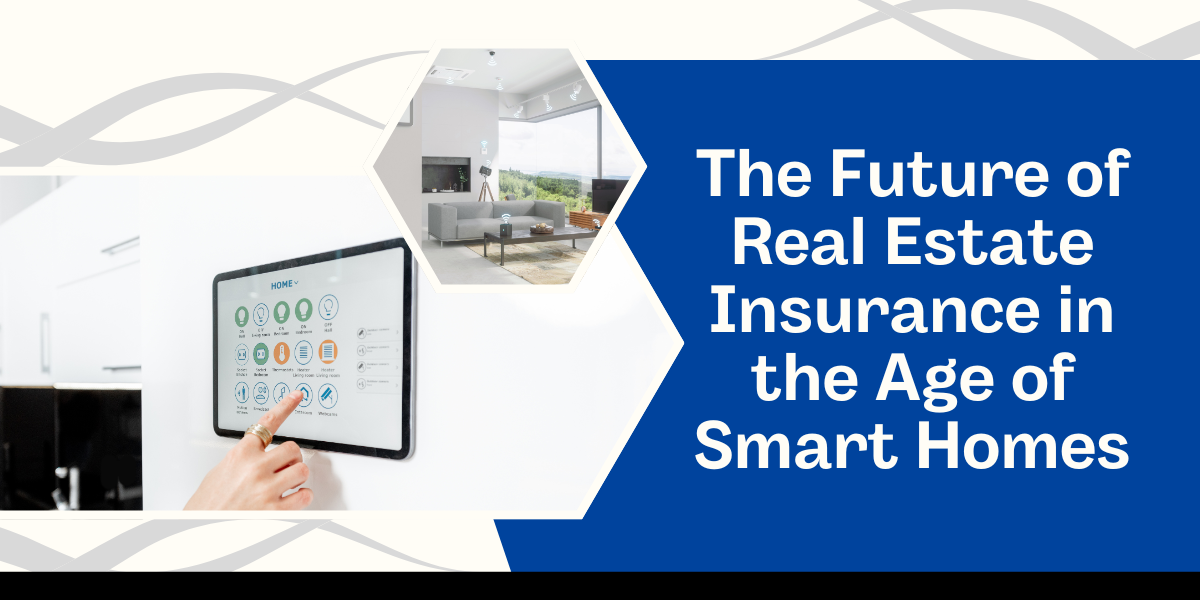
Smart homes are no longer a thing of the future – they are quickly becoming a reality in modern real estate. Technology is changing how we live, from voice activated lighting, intelligent security systems and climate control. While these advancements offer a level of comfort, energy efficiency and safety to homeowners, insurers will encounter new opportunities and challenges with smart homes.
As real estate evolves with digital transformation, insurance policies must evolve too. The question is no longer simply “Do you have home insurance?” but, rather “Does your insurance policy cover the complexities What’s a smart home?
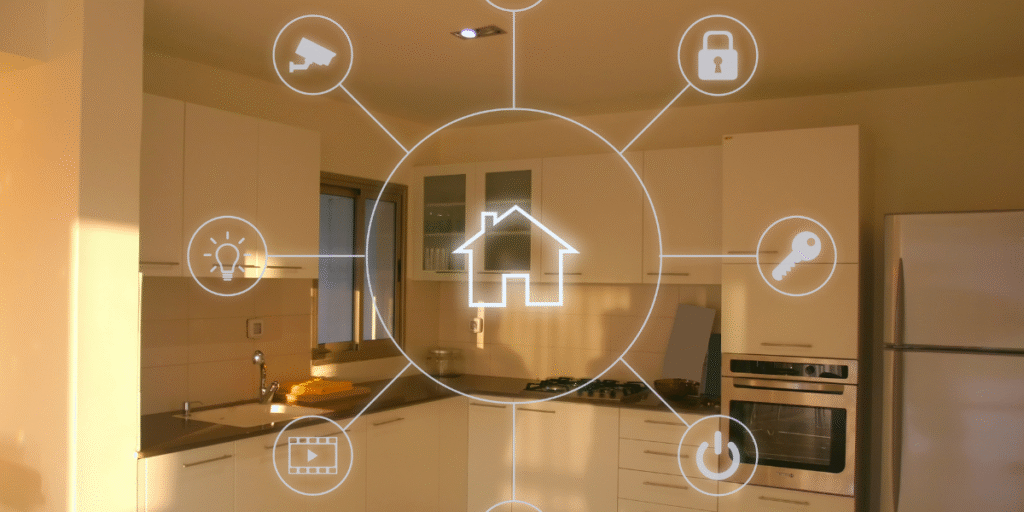
Smart homes use automation systems with Internet of Things (IoT) devices and technology to enhance convenience, security, and energy savings.
Common smart home features include:
- Smart Security Systems – Cameras, doorbell monitors, and motion sensors all connected to mobile apps.
- Connected or Internet-Connected Devices – Refrigerators, washing machines, or ovens that can be controlled by phone or computer apps.
- Energy Management Systems – Smart thermostats (like Nest or Ecobee), solar integration, and automated lighting.
- Water and Fire Sensors – Leak detectors, water-candidate sensors, smoke detectors and alarms to alert homeowners to fire threats.
These enhancements not only benefit quality of life but also affect property values. Smart homes attract buyers and typically demand a premium price on the market.
Insurance prospects in smart homes
Smart technology has the potential to limit risks associated with your property from an insurance viewpoint reducing the risks of the property and possibly – reducing your premiums.
- Risk Reduction – Smart home technology such as leak detectors can help prevent taking on significant water damage expenses, while smart locks may deter burglary.
- Real-Time Data – If homeowners use connected monitoring systems, signers could offer discounts.
- Policy Driven by Data – Insurers would have access to valuable data about usage and risk, which would create more personalized coverage options.
- Faster Settlement and Claim Process – Devices can confirm damages automatically, thus making the approval timeline shorter.
Emerging Risks and Concerns
Smart homes also provide new risks that conventional insurance policies may not adequately cover:
1. Cybersafety issues – Hackers could access users’ personal information or take control of devices and systems.
2. Device malfunctions – A faulty sensor could cause a home disadvantage to a water leak or a fire, and liability could become a litigation issue, with no standard to determine liability.
3. High replacement costs – Smart devices and IoT devices that provide connectivity and monitoring are expensive to repair or replace.
4. Privacy – Insurance companies may review data obtained from devices used within the home. Homeowner privacy is a concern.
The Future of Real Estate Insurance
With the increasing prevalence of smart homes, insurance companies are beginning to change as well:
- Cyber coverage add-ons – Insurance products to cover a data breach, hacking, or identity theft.
- Coverage for devices – Many policies will offer additional coverage for smart appliances and other devices for damage or malfunction.
- Usage-based – Building off of the home monitoring, premiums could vary depending on the use of the device.
- Discounts – Some insurance companies might provide discounts for properties or homes with sophisticated security devices or home monitoring if the system is validated and secured.

What Homeowners Should Consider?
Whether you already own or are interested in purchasing a smart home, it’s vital your insurance policy matches the technology of your property.
1. Notify Your Insurer – Upon installing smart systems, notify your property insurer, so they are aware of all devices installed on your property.
2. Ask About Cyber Coverage – Most people do not realize that, while your homeowners insurance policy covers risks to your home and property related to catastrophic events, home insurance is limited in covering risks that include electronic or digital exposures.
3. Document Your Devices – To assist with any claim, it is wise to keep copies of your receipts and documentation of any smart devices you placed in your home.
4. Policies Should Be Reviewed Regularly – As you maintain, remodel or add new technology to your home, make sure you regularly review your coverages with your insurer to potentially add coverage for your newly placed devices.
5. Balancing Security and Privacy – Use caution in choosing insurers that are open and honest about their data privacy from smart devices in your home.
Conclusion
Smart homes are shaping the real estate market and insurance landscape. Smart homes provide convenience, efficiency, and security, but require an updated assure coverage for both physical aspects and electronic aspects.
For homeowners, the future of real estate insurance is more customized policies, that not only protect the bricks and mortar of your house, but cater to, and protect, the ability of the interconnected systems that allow it to be a smart home. For insurers, this is a opportunity for innovation, rewarding safer homes, and establishing stronger relationships with clients with smart homes. In summary, homes are getting smarter, and the insurance must follow.