Introduction
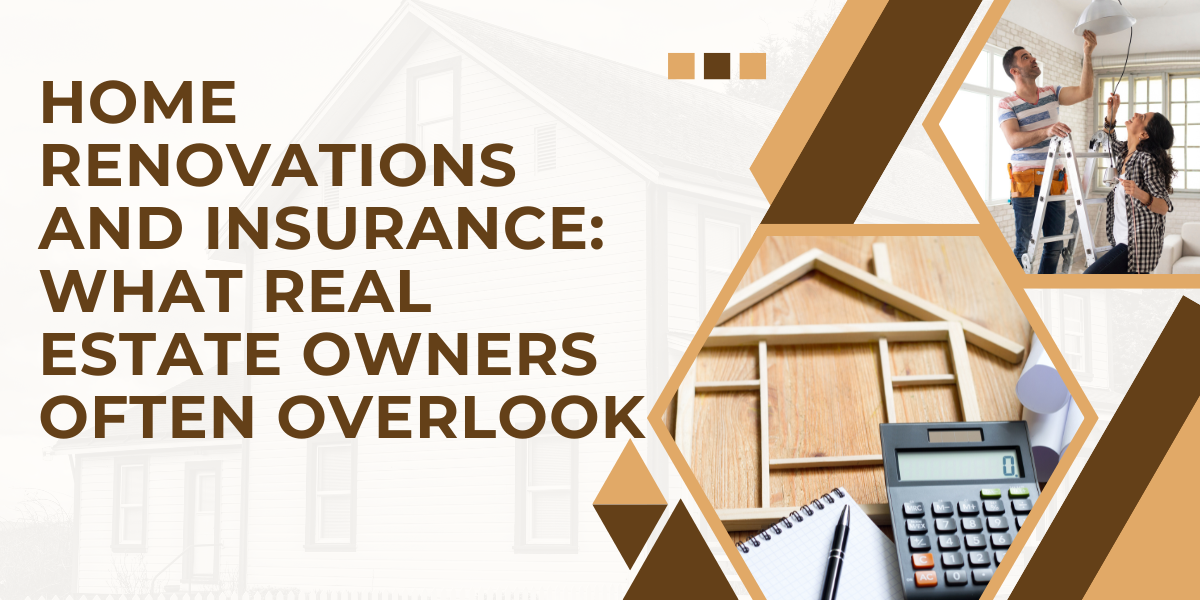
When house owners consider home renovations, sooner or later the initial thought would be that the house will be more appealing and pleasurable – redesigned kitchens, renovated bathrooms, trendy patio decks. These kinds of modifications bring about lifestyle appeal, and worth of your house; nonetheless, many house owners do not consider one crucial action in a renovation – insuring the modifications or if their insurance policy must be modified or renewed. A rebuild alters more than the appearance of a house; it alters the amount of financial risk necessary to insure the property and belongings. Forgetting this link can make the real estate owner vulnerable to significant loss.
How remodels impact your insurance premium
Insurance premiums rely on the home’s replacement cost and the risk of the house. When houses are remodeled/rebuilt we typically add equity to the property, and hence the price to replace or repair damage to the home or property rises similarly, particularly when extra construction is performed, a pool is installed, or high-end finishes are bought. If the contractor, designer, or homeowner fails to reinstate the policy, or inform themselves on to what type of coverage they might require, the homeowner may be under-insuring, and over-insurance premium paying, when a loss does happen.
Common Renovations That Alter Coverage
Renovations do not necessarily impact insurance equally. Some raise property value, and others raise liability. Here are a few factors to consider:
1. Kitchen and Bath Remodels – These spaces are typically the costliest remodels. Installing granite countertops, new appliances, or custom cabinets adds value but also affects your expense in case you have to replace them.
2. Room Addition or Conversion – Converting an attic into a bedroom or adding a new floor adds square footage, and directly adds to the insured value of the house.
3. Swimming Pools and Hot Tubs – These are added features that can beautify the house but they come with added liability. Insurers can demand an endorsement for accidents and injuries involving these added features.
4. Roof Replacements – A new roof, which is stronger, could reduce premiums particularly if refreshed and constructed with disaster-resistant materials.
5. Smart Home Technology – Security systems and water sensors can all lower your risk, but expensive automation systems can add to your replacement value if they get damaged.
Effects of Failing to Update Your Policy
If you do not notify your insurance agent (or property underwriter) of a major renovation, the effects can be dire:
1. Underinsurance: In the event that your coverage level does not account for the new worth of your home’s contents and/or structural extensions, you might receive additional inadequate compensation for losses.
2. Claim Disputes: Insurers can dispute that you misrepresented your property in case of damage if you did not inform them about additions to your home.
3. Liability Gaps: It is important to point out for insurance purposes that, for example, the addition of features like pools or allowing rental conversions increases your liability. Likewise, should you not update your coverage, upon loss, you (the homeowner) can be held civilly or medically liable without your updated insurance policy to cover you.
How to Update Your Insurance Effectively
To reduce these risks, homeowners can do some basic things before and during renovations:
1. Notify Your Insurer Early – Inform your insurer before you initiate the project. Some insurers provide a specialized policy for renovation homes known as a “builder’s risk insurance.”
2. Keep Receipts and Records – Record the contractor, the cost of each material purchased, and any materials you bought. These records will help you verify your limit of coverage and support any claims later on.
3. Register a Policy Review – After remodelling, have the insurance provider assess the value of your home today and adjust the coverage limit accordingly.
4. Request Additional Riders – Depending upon the nature of the renovations, you can ask for additional riders or endorsements for any high-value additions to your home (such as a pool, etc.)
5. Shop Around – Renovations might make you eligible for discounts with different insurance providers (such as a roof) and it always pays to shop around.

Renovations That Could Mean Saving Money on Insurance
You might be amazed to know that not all upgrades will make insurance premiums higher. Some upgrades reduce risk and help lower insurance premiums:
- Improvements for fire resistance – More secure roofing, walls, or insulation can lower premiums.
- Electrical and Plumbing Improvements – Fewer chances for fire or water damage typically result in savings.
- Cameras, Locks, Alarms – These upgrades can usually get the homeowner a discount.
- Improvements for Energy Savings – Certain insurance providers encourage environmentally friendly improvements with discounts.
Homeowners’ Advice
1. Calculate Premium Payments – Budget higher premiums as part of the renovation cost.
2. Wait Until an Emergency – It is best to file for adjustments to your policy right after the renovation to prevent gaps.
3. Use a Professional – Licensed professionals offer guarantee in terms of
work quality, and help with documentation that your insurer might need.
4. Think Long-Haul – Think about renovations that find the equilibrium of enhanced lifestyle factors without excessive risk or high recurring premiums.
Conclusion
A home renovation can create not only a more livable, fashionable, and valuable space but also facilitate a change in your home that takes your investment from a home to an asset. With every change come considerations for how to protect your investment properly. Ignoring the insurance portion of a renovation is an oversight many real estate owners make that can easily cost thousands of dollars in damage or liability without coverage.
If you add item two to your insurance coverage immediately, not only will your new home be enticing, but it will also protect you financially. In the final analysis – a renovation is not only meant to transform the looks of your home – but also protect your future and goals.